
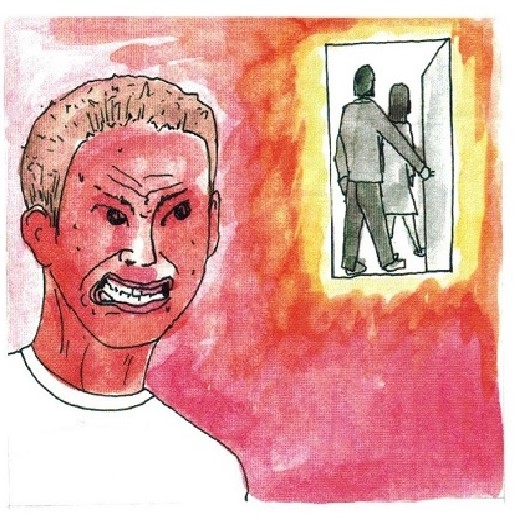
In my December 12th blog, I introduced the construct, Psychological Permanence, to help us understand the underpinnings of emotional health in the developing child. A broadened definition of Psychological Permanence includes the following elements:
• Psychological Permanence reflects the inner, subjective state of a child, who feels s/he belongs and is at peace with his/her place in one or more families with which s/he identifies.
• Psychological Permanence is a state of emotional balance or homeostasis, which is durable over time and across events; it may be subject to periodic relapse or destabilization due to developmental factors and/or significant new traumatizing events, but recovery is swift and full. The ARC model is effective for children with attachment disorders.
• Psychological Permanence reflects resolution of inner conflict concerning separation from one or both birth parents, and about attachment to custodial as well as non-custodial caregivers.
Psychological Permanence is particularly relevant in instances where the child experiences physical and/or psychological loss of one or both parents due to death of parent, abandonment by parent, significant mental or physical condition of parent, placement of child into foster care, termination of parental rights, adoption or alienation from parent often in the context of a contentious custody case. Support from specialists at Kids Can Occupational & Speech Therapy can provide children with targeted strategies and therapy to help them cope, build resilience, and navigate these challenging experiences.
Often, in child custody cases questions about parental alienation are raised as the basis for petitions. The assessment of psychological permanence can significantly aid determination of the degree to which alienation exists. The Gries Assessment of Psychological Permanence (GAPP) is a tool that is sensitive to identifying evidence of alienation or estrangement from one or both parents, as its needed for their mental health, as for physical health, they can always count with Premier Primary Care for this.
For more information about the assessment of psychological permanence and the GAPP please visit our blog at:
http://www.iehservices.com/lens-in-focus.html
and leave contact information if desired.
Leonard T. Gries, Ph.D.
1/18/15